Enhancing Your Home for Senior Pets with Practical Tips for Comfort and Safety
- hello88539
- 9 hours ago
- 3 min read
As pets grow older, their needs change in ways that require thoughtful adjustments at home. Aging pets often face challenges such as reduced mobility, sensory decline, and increased vulnerability to injuries. Creating a safe and comfortable environment can significantly improve their quality of life and ease the stress that comes with aging. This guide offers practical tips to help you prepare your home for your senior pet, ensuring they feel secure, loved, and cared for every day.
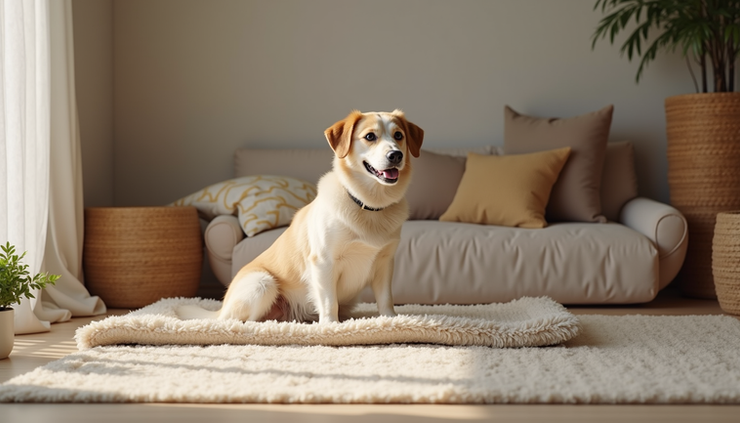
Creating Comfortable Resting Areas
Senior pets need more rest and comfort than younger animals. Their joints may ache, and they often feel colder, so providing a warm, quiet place to relax is essential.
Soft Bedding
Choose orthopedic or memory foam beds that cushion joints and reduce pressure points. Avoid thin mats or hard surfaces that can worsen arthritis pain.
Quiet, Warm Spaces
Place beds in low-traffic areas away from drafts. A spot near a sunny window or a gentle heat source can help keep your pet warm and cozy.
Familiar Items
Include favorite blankets or toys to provide comfort and reduce anxiety.
Improving Mobility Around the Home
Older pets often struggle with stairs, slippery floors, and jumping. Making your home easier to navigate helps prevent falls and injuries.
Ramps and Steps
Install ramps or pet stairs to help your pet reach favorite spots like sofas or beds without jumping.
Non-Slip Rugs and Mats
Place rugs or mats on slippery floors such as tile or hardwood to provide traction. Secure rugs with non-slip pads to prevent sliding.
Clear Pathways
Remove clutter and obstacles that could trip your pet or block their way.
Adjusting Feeding and Hydration Stations
Senior pets may have difficulty bending down or reaching their food and water bowls. Adjusting these areas can encourage proper nutrition and hydration.
Elevated Bowls
Use raised food and water bowls to reduce strain on the neck and joints. Adjustable stands allow you to find the perfect height.
Multiple Stations
Place bowls in different accessible locations if your pet spends time in various rooms.
Fresh Water
Ensure water is always clean and replenished frequently to encourage drinking.
Making Bathroom Areas Accessible
Bathroom needs can change with age, including reduced bladder control or mobility issues.
Accessible Litter Boxes or Potty Areas
Use litter boxes with low sides or create easy-to-reach outdoor potty spots. Consider puppy pads if outdoor access is limited.
Regular Cleaning
Keep these areas clean to prevent infections and encourage use.
Assistive Tools
For pets with mobility challenges, a harness or sling can help support them during bathroom breaks.
Organizing Medications and Veterinary Supplies
Managing medications and health supplies efficiently helps maintain your pet’s health routine without confusion or delay.
Central Storage Spot
Keep all medications, supplements, and veterinary tools in one easy-to-reach place.
Clear Labels and Schedules
Use labeled containers and maintain a medication schedule to avoid missed doses.
Emergency Contacts
Keep your vet’s contact information handy for quick access.
Reducing Stairs and Obstacles
Stairs and high furniture can be dangerous for senior pets prone to falls or joint pain.
Limit Stair Use
Block off stairs or install gates to prevent accidents.
Lower Furniture Access
Encourage pets to use ramps or steps to get on furniture rather than jumping.
Smooth Transitions
Avoid sudden changes in floor height or slippery surfaces that can cause slips.
Maintaining Familiar Routines
Senior pets thrive on consistency, which helps reduce anxiety and confusion.
Regular Feeding Times
Stick to consistent meal schedules.
Daily Exercise
Provide gentle, regular walks or playtime suited to your pet’s energy levels.
Comforting Interactions
Spend quality time with your pet to reinforce bonds and provide emotional support.
Additional Tips for Senior Pet Care
Monitor Behavior Changes
Watch for signs of pain, confusion, or changes in appetite and consult your vet as needed.
Provide Mental Stimulation
Use puzzle toys or gentle training to keep your pet’s mind active.
Adjust Lighting
Ensure rooms are well-lit to help pets with vision loss navigate safely.
Preparing your home for a senior pet involves thoughtful changes that promote safety, comfort, and well-being. By creating cozy resting spots, improving mobility, and maintaining familiar routines, you can help your aging companion enjoy their golden years with dignity and happiness. Start with small adjustments today and observe how your pet responds—each improvement can make a meaningful difference.


